Why Small Group Safaris Create Better Wildlife Experiences
Hellen Gupta • June 8, 2026

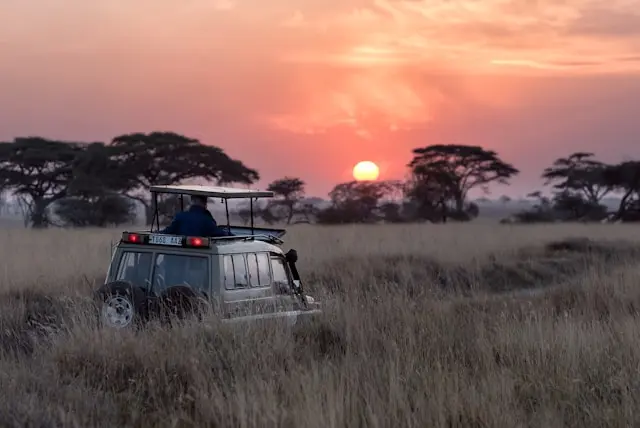
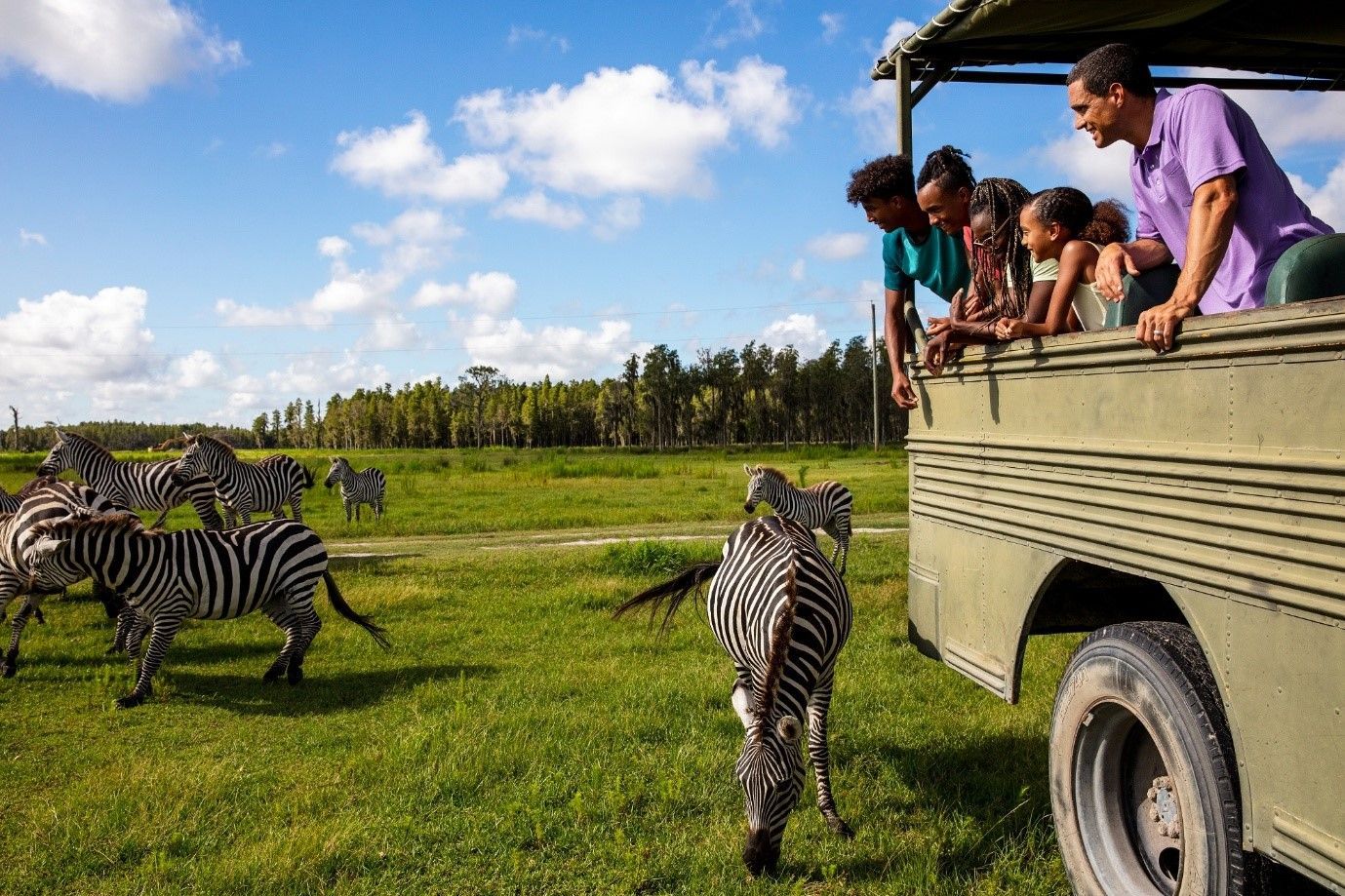
There’s a reason more travelers are leaning toward smaller safari groups lately. The experience changes completely when you’re not packed into an overcrowded vehicle fighting for a window seat while someone blocks the view with an iPad. At Kilimanjaro-Serengeti Tours & Travel Limited, small group safaris are designed to slow things down just enough for people to actually experience the wild instead of rushing through it.

That difference matters more than most first-time travelers realize.


Wildlife Behaves Differently Around Smaller Groups


Animals notice noise, movement, and pressure. A quieter vehicle with fewer people creates less disturbance, which often leads to longer and more natural wildlife sightings. Lions stay relaxed. Elephants don’t shift away as quickly. Even smaller moments, like watching giraffes move through acacia trees at sunrise, feel calmer and less staged. This is one reason many travelers looking for genuine Wildness Safari in Ohio experiences prefer smaller groups over large commercial tours. The atmosphere feels more connected to the landscape itself.


You Actually Get Time to Observe


Here’s the thing. Wildlife viewing isn’t always dramatic. Some of the best safari moments happen slowly. A leopard resting in tall grass. A herd changing direction because of distant movement. Hyenas circling before dusk. Those moments are easy to miss when a guide has to manage a large group with different schedules and expectations. Smaller groups give guides more flexibility. They can stay longer at sightings, adjust routes naturally, and focus on what guests are genuinely interested in seeing. That creates a far more personal safari experience.


Stronger Connection with the Local Community


The best safaris are not only about wildlife. They’re also about place, culture, and people.

Many of the Adventure tours Local community experiences offered through Kilimanjaro-Serengeti Tours & Travel Limited include opportunities to visit Maasai and Hadzabe communities, explore local traditions, and understand the connection between conservation and daily life. Smaller groups make those interactions feel respectful and conversational instead of rushed or performative.

People tend to ask better questions when they’re comfortable. Locals are more likely to share openly when the setting feels personal. That exchange stays with travelers long after the safari ends.


More Flexibility Throughout the Journey


Smaller groups move easier. That sounds simple, but on safari it changes everything. Boarding vehicles takes less time. Stops feel less chaotic. Guides can adapt to weather, wildlife movement or unexpected events without managing a crowd. Whether it’s a sunrise game drive in the Serengeti or a more relaxed afternoon close to the Ngorongoro Crater, the flexibility often makes for the best memories.


A More Meaningful Safari Experience


Kilimanjaro-Serengeti Tours & Travel Limited creates safaris that are focused on immersion, not volume. Smaller groups enable travelers to experience Tanzania’s wildlife, landscapes and cultures in an authentic way from start to finish. You notice more. You remember more. And honestly, the wilderness deserves that kind of attention.


FAQs


Why are small group safaris better for wildlife viewing?


Smaller groups create less noise and disruption, allowing wildlife to behave more naturally while giving guests better visibility and longer viewing opportunities during game drives.


Do small safari groups include cultural experiences?


Yes. Many Adventure tours Local community experiences include visits with Maasai and Hadzabe communities for a more personal and meaningful cultural connection.


Are Wildness Safaris Ohio suitable for first-time safari travelers?


Absolutely. Smaller safari groups are often easier for first-time travelers because guides can provide more personalized attention, pacing, and support throughout the journey.


Which parks are included in these safari experiences?


Kilimanjaro-Serengeti Tours & Travel Limited offers safaris through Serengeti, Ngorongoro Crater, Ruaha, Selous, Tarangire, and Lake Manyara depending on the selected tour package.
By Hellen Gupta May 14, 2026
What Makes Zanzibar One of Africa’s Best Beach Tour Destinations for Travelers
By ZenBusiness Admin March 23, 2026
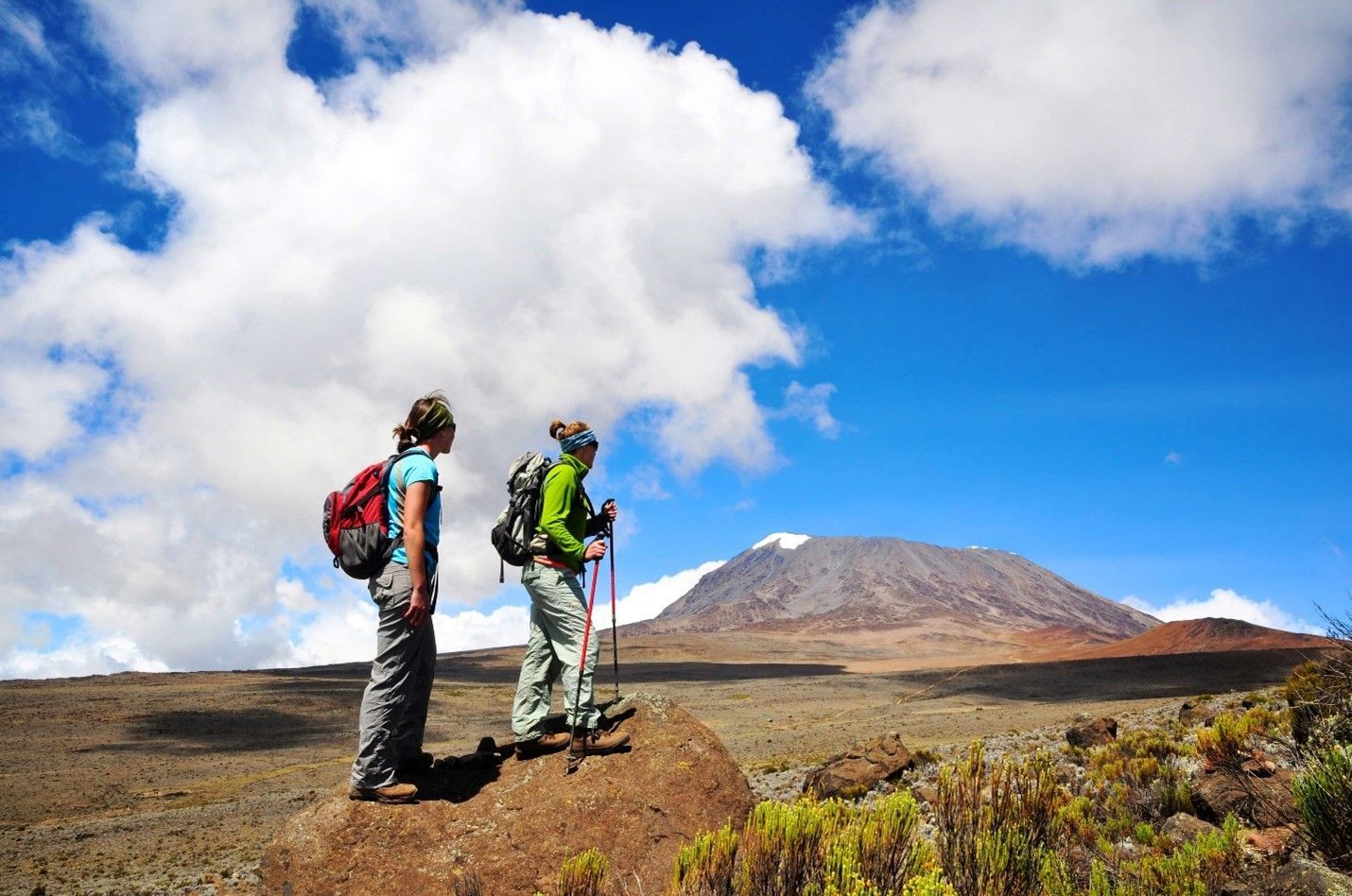
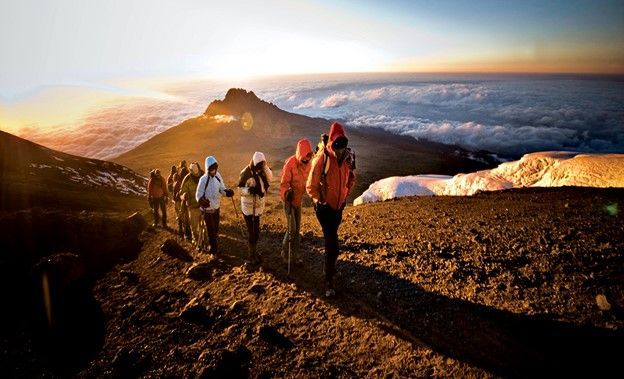
When you visit Tanzania, you might experience two very distinct worlds at the same time. One starts well above the sky, where Africa's tallest mountain has thin air and calm glaciers on top of it. The other one happens in broad savannas where animals can move around freely in vistas that seem to go on forever. When planned carefully, these two experiences don’t compete with each other; they complement each other beautifully. The climb tests your endurance; the safari slows you down and rewards your patience. That balance is exactly what travelers discover when they choose thoughtfully designed Kilimanjaro Serengeti Travel packages . The Mountain: Where the Journey Begins Mount Kilimanjaro isn’t just a climb; it’s a progression through entire ecosystems stacked one above the other. The lower slopes feel almost tropical. Dense rainforest, damp air, the occasional flash of colobus monkeys overhead. Higher up, the vegetation thins and the terrain becomes rocky and stark, eventually giving way to wind-sculpted alpine desert. This is where the experience of Kilimanjaro Trekking truly unfolds. Each route, Machame, Marangu, and Lemosho, has its own rhythm and personality. Some wind through longer scenic approaches. Others move more directly toward the summit. None of them is easy, but that’s part of the appeal. The climb is demanding enough to feel earned without requiring technical mountaineering skills. At Kilimanjaro-Serengeti Tours & Travel Limited, our trekking teams understand the mountain intimately. Guides watch the pace carefully. Porters carry the heavy gear. Camps appear each afternoon, almost like small temporary villages along the trail. Those details matter more than people realize when they first arrive. The summit push, usually starting before midnight, is quiet and deliberate. Headlamps flicker along the trail in a slow line. By sunrise, if everything goes well, you’re standing at Uhuru Peak watching the horizon stretch across East Africa. That’s only the first chapter of the journey. From Thin Air to the Serengeti Plains After the descent from Kilimanjaro, the shift in scenery feels almost surreal. Within a short drive or flight, travelers leave the mountain’s rocky slopes behind and enter the sweeping landscapes of northern Tanzania. This is where our Kilimanjaro Serengeti Tour packages transition naturally into safari. The pace changes. Mornings begin with quiet game drives rather than steep trails. Instead of focusing on the next step upward, attention shifts outward, to movement in the grass, distant silhouettes on the horizon, the sound of birds at sunrise. Serengeti National Park sits at the center of this ecosystem. It’s enormous, and that scale is part of what makes it so compelling. Lions stretch out beneath acacia trees. Elephants move slowly across dusty tracks. During migration season, wildebeest gather in numbers that almost defy explanation. Most itineraries also include the Ngorongoro Conservation Area, where wildlife thrives inside an ancient volcanic crater, along with parks like Tarangire and Lake Manyara. Each landscape feels distinct, yet connected. These experiences come together seamlessly through carefully structured Kilimanjaro Serengeti Tour packages, allowing travelers to see multiple sides of Tanzania in a single journey. Why the Combination Works? Climbing Kilimanjaro demands effort. There’s no point pretending otherwise. Days on the trail are long, and the altitude can humble even experienced hikers. But that’s exactly why pairing the climb with a safari works so well. The safari part seems like a break after the hard work of climbing the mountain. While trained guides look for animals in the area, you sit back in a car with your camera ready. Lodges and tented camps are comfortable places to stay, especially after days of hiking. Travelers often say the contrast makes the entire experience richer. One day,y you’re navigating volcanic scree on the upper slopes of Kilimanjaro. A few days later, er you’re watching giraffes move slowly through golden grasslands. Our Kilimanjaro Serengeti Tour packages are built aroundthat rhythmm, challenge followed by immersion, movement followed by stillness. The Role of Local Knowledge Planning a trip that includes both a major mountain climb and a multi-park safari isn’t simple. Logistics matter. Timing matters even more. Our crew at Kilimanjaro-Serengeti Tours & Travel Limited has been showing people around these areas for years. We know how long it usually takes climbers to get used to the altitude. We know when wildlife movements shift between regions. Those small insights shape how each itinerary is structured. Our Kilimanjaro Serengeti Tour packages include experienced guides, well-planned trekking support, comfortable safari vehicles, and accommodations that fit the environment rather than overwhelm it. Travelers notice the difference immediately. The journey flows naturally instead of feeling rushed or pieced together. A Journey That Stays With You Some trips blur together after a while. Kilimanjaro and the Serengeti rarely do. People remember the cold silence before a summit sunrise. The first time they spot a leopard resting in a tree. The strange calm that settles in when you realize how vast the Serengeti plains really are. Those moments are why we design our Kilimanjaro Serengeti Tour packages the way we do, so travelers experience Tanzania not as separate destinations, but as one continuous story unfolding across mountains, valleys, and wildlife reserves. If this kind of journey speaks to you, reach out to Kilimanjaro-Serengeti Tours & Travel Limited through our website. Our team will help you plan an adventure that brings together the challenge of the mountain and the wonder of the savanna, an unforgettable combination of safari exploration and Kilimanjaro Trekking . Kilimanjaro Trekking Frequently Asked Questions 1. What do Kilimanjaro and Serengeti trip package include? Guided climb of Kilimanjaro that includes the opportunity to spend several days doing different activities around the national parks in Northern Tanzania. 2. How long will it take to go on a combined Kilimanjaro and Serengeti trip? Most people will book a trip for 10 to 14 days in length so they have enough time to do both trekking and wildlife exploring. 3. Can beginners climb Kilimanjaro? Yes. Climbing Kilimanjaro is a physically demanding experience; however, technical climbing skills are not needed. Training to prepare for the climb and a steady pace is critical. 4. What national parks are usually included in this type of tour package? The Serengeti and Ngorongoro are usually included, together with Tarangire or Lake Manyara, in most travel packages. 5. When is the best time of year to book Kilimanjaro and Serengeti trip packages? June through October and January through March are peak tour seasons for Kilimanjaro climbing and wildlife viewing due to tour/weather conditions being favourable.
By ZenBusiness Admin March 23, 2026
Planning a Kilimanjaro Trekking sounds exciting at first. It usually starts with a few searches, maybe a couple of videos, and that feeling of “this is doable.” Then the details show up: routes, altitude, permits, and gear. Weather shifts you didn’t expect. Suddenly, it’s not just a trek, it’s a series of decisions you’re not fully confident about. A lot of people think going solo gives more freedom or saves money. On paper, maybe. In reality, it’s rarely that simple. This is where guided climbs quietly make a difference. Not by changing the mountain, but by changing how you move through it. What Makes Kilimanjaro Trekking So Unpredictable? It’s not a technical climb, which is why many underestimate it. But the challenge builds slowly. ● Altitude doesn’t hit immediately; it creeps in ● The weather can shift within hours ● Long days wear you down more than expected ● Even simple navigation can get confusing in sections None of this sounds extreme on its own. Together, it becomes something else. That’s usually where solo plans start to feel heavier than expected. The Difference You Feel with a Guide It’s not just about someone leading the way. That’s the obvious part. The real value is pacing. Good guides don’t rush. They read your condition, adjust your speed, and keep things steady even when you feel fine or, on some days, not so fine. That balance is hard to judge on your own, especially higher up, where your body doesn’t behave the way, it normally does. And mentally, it helps. You stop overthinking every step. You just walk. Safety Isn’t Something You Want to Figure Out Midway Altitude sickness doesn’t care how fit you are. People learn that the hard way. During the Kilimanjaro Trekking , having trained eyes around you matters more than most expect. ● Someone notices early signs you might ignore ● Regular checks happen without you asking ● There’s already a plan if things go wrong Going solo means, you’re relying on your own judgment, even when your body isn’t at its best. That’s not always a fair situation to put yourself in. The Part No One Talks About Enough: Logistics It’s easy to focus on the climb and forget everything around it. Permits, food, camping setup, carrying weight, and route planning. All of it sits in the background until it doesn’t. A lot of solo travelers realize too late that Kilimanjaro Trekking isn’t just about walking uphill. It’s coordination. Constant, small, necessary coordination. That’s where Kilimanjaro Serengeti Travel packages simplify things in a practical way. The structure is already there. You’re not building everything from scratch or fixing things on the go. Local Knowledge Changes Small Decisions Guides don’t just know the route. They know how the mountain behaves. Which sections feel longer than they look? When the weather usually shifts. What different routes actually feel, not just how they’re described. You can read about it, sure. But reading and experiencing are two very different things. That gap shows up quickly on a climb like this. Energy Becomes Your Biggest Asset Most people think the goal is the summit. It’s not, at least not entirely. The real challenge is managing your energy over several days. With a guided setup: ● Food appears when you need it ● Camps are ready when you arrive ● Your load isn’t entirely on you That changes everything. You’re not drained before the important parts even begin. Solo trekking, on the other hand, can feel like you’re constantly catching up with your own effort. Why Structured Plans Actually Feel More Flexible It sounds backward, but it’s true. When everything is pre-arranged through Kilimanjaro Serengeti Travel packages, you’re not stuck. You’re free from worrying about the basics. ● You know what comes next ● You’re not second-guessing logistics ● Adjustments can still be made when needed Freedom doesn’t always come from doing everything yourself. Sometimes it comes from not having to. It’s Not Just About Reaching the Top Somewhere along the way, priorities shift. You start noticing things you might have missed if you were too busy managing the climb. The silence in certain stretches. The change in landscape. Even the pace of your own breathing. Guided Kilimanjaro Trekking gives you space for that. Not by slowing things down artificially, but by removing distractions that don’t need to be yours. Final Words Choosing how to approach Kilimanjaro Trekking isn’t just a planning decision. It shapes the entire experience. Solo sounds appealing at first, but it often brings pressure you didn’t plan for. A guided approach doesn’t remove the challenge; it just makes it manageable, safer, and more focused on the journey itself. At Kilimanjaro-Serengeti Tours & Travel Limited , we design Kilimanjaro Trekking experiences that are structured without feeling rigid. Through our Kilimanjaro Serengeti Travel packages , we take care of the planning, safety, and on-ground coordination so you can stay focused on the climb. With our team supporting you at every stage, the journey becomes clearer, steadier, and far more rewarding from start to finish.. In the end, the mountain stays the same, the way you experience it doesn’t have to!