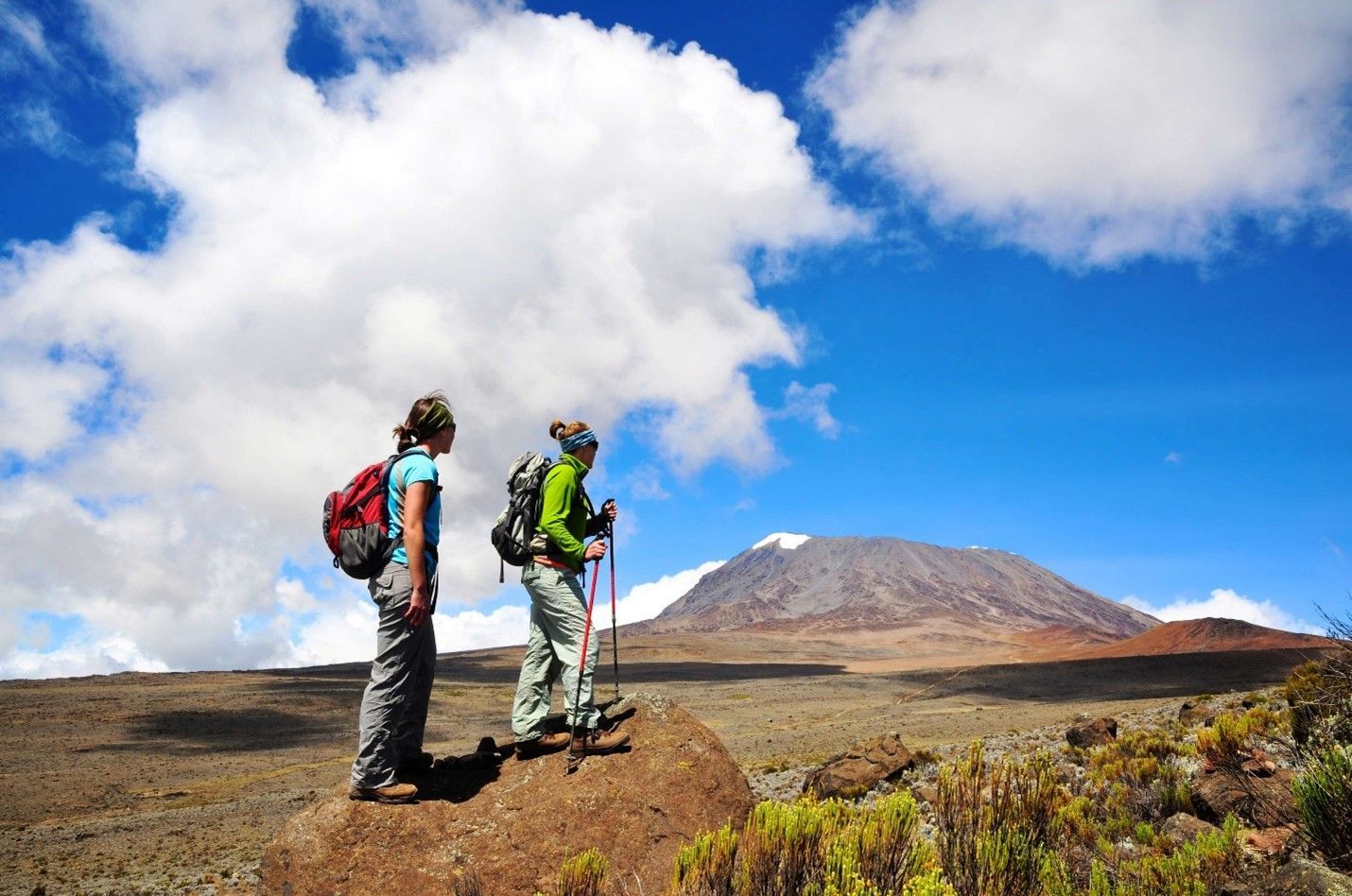
How Kilimanjaro Serengeti Tour Packages Combine Adventure and Wildlife in One Trip
When you visit Tanzania, you might experience two very distinct worlds at the same time. One starts well above the sky, where Africa's tallest mountain has thin air and calm glaciers on top of it. The other one happens in broad savannas where animals can move around freely in vistas that seem to go on forever. When planned carefully, these two experiences don’t compete with each other; they complement each other beautifully.
The climb tests your endurance; the safari slows you down and rewards your patience. That balance is exactly what travelers discover when they choose thoughtfully designed Kilimanjaro Serengeti Travel packages.
The Mountain: Where the Journey Begins
Mount Kilimanjaro isn’t just a climb; it’s a progression through entire ecosystems stacked one above the other. The lower slopes feel almost tropical. Dense rainforest, damp air, the occasional flash of colobus monkeys overhead. Higher up, the vegetation thins and the terrain becomes rocky and stark, eventually giving way to wind-sculpted alpine desert.
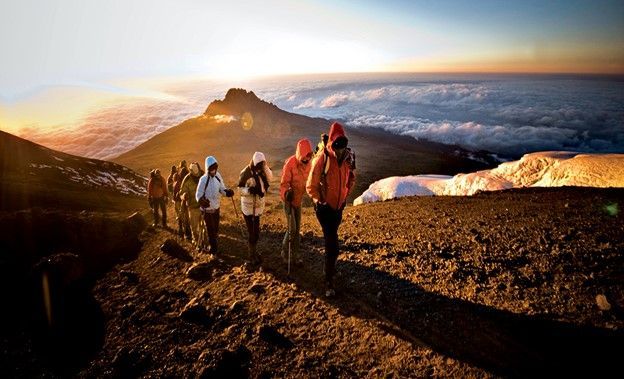
This is where the experience of Kilimanjaro Trekking truly unfolds. Each route, Machame, Marangu, and Lemosho, has its own rhythm and personality. Some wind through longer scenic approaches. Others move more directly toward the summit. None of them is easy, but that’s part of the appeal. The climb is demanding enough to feel earned without requiring technical mountaineering skills.
At Kilimanjaro-Serengeti Tours & Travel Limited, our trekking teams understand the mountain intimately. Guides watch the pace carefully. Porters carry the heavy gear. Camps appear each afternoon, almost like small temporary villages along the trail. Those details matter more than people realize when they first arrive.
The summit push, usually starting before midnight, is quiet and deliberate. Headlamps flicker along the trail in a slow line. By sunrise, if everything goes well, you’re standing at Uhuru Peak watching the horizon stretch across East Africa.
That’s only the first chapter of the journey.
From Thin Air to the Serengeti Plains
After the descent from Kilimanjaro, the shift in scenery feels almost surreal. Within a short drive or flight, travelers leave the mountain’s rocky slopes behind and enter the sweeping landscapes of northern Tanzania.
This is where our Kilimanjaro Serengeti Tour packages transition naturally into safari. The pace changes. Mornings begin with quiet game drives rather than steep trails. Instead of focusing on the next step upward, attention shifts outward, to movement in the grass, distant silhouettes on the horizon, the sound of birds at sunrise.
Serengeti National Park sits at the center of this ecosystem. It’s enormous, and that scale is part of what makes it so compelling. Lions stretch out beneath acacia trees. Elephants move slowly across dusty tracks. During migration season, wildebeest gather in numbers that almost defy explanation.
Most itineraries also include the Ngorongoro Conservation Area, where wildlife thrives inside an ancient volcanic crater, along with parks like Tarangire and Lake Manyara. Each landscape feels distinct, yet connected.
These experiences come together seamlessly through carefully structured Kilimanjaro Serengeti Tour packages, allowing travelers to see multiple sides of Tanzania in a single journey.
Why the Combination Works?
Climbing Kilimanjaro demands effort. There’s no point pretending otherwise. Days on the trail are long, and the altitude can humble even experienced hikers.
But that’s exactly why pairing the climb with a safari works so well.
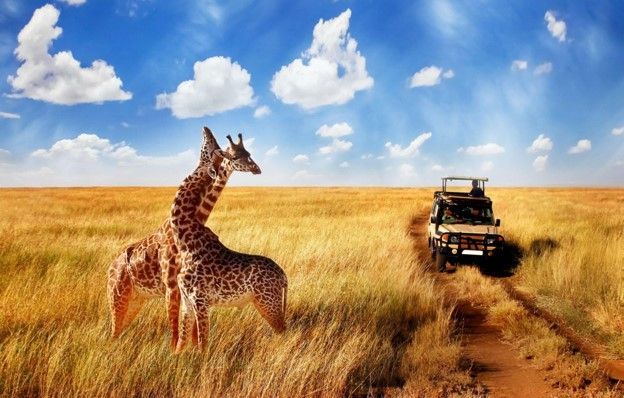
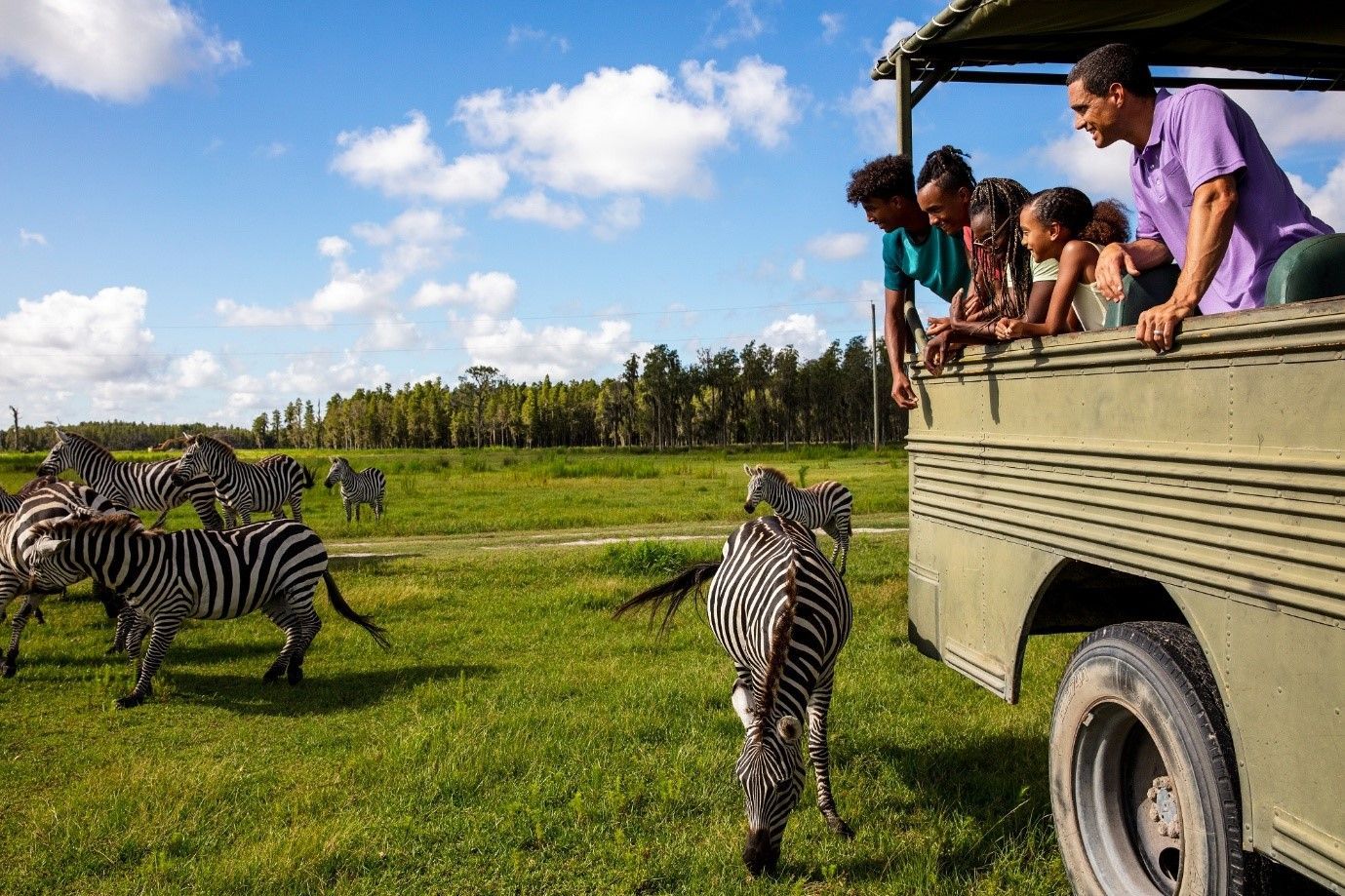
The safari part seems like a break after the hard work of climbing the mountain. While trained guides look for animals in the area, you sit back in a car with your camera ready. Lodges and tented camps are comfortable places to stay, especially after days of hiking.
Travelers often say the contrast makes the entire experience richer. One day,y you’re navigating volcanic scree on the upper slopes of Kilimanjaro. A few days later, er you’re watching giraffes move slowly through golden grasslands.
Our Kilimanjaro Serengeti Tour packages are built aroundthat rhythmm, challenge followed by immersion, movement followed by stillness.
The Role of Local Knowledge
Planning a trip that includes both a major mountain climb and a multi-park safari isn’t simple. Logistics matter. Timing matters even more.
Our crew at Kilimanjaro-Serengeti Tours & Travel Limited has been showing people around these areas for years. We know how long it usually takes climbers to get used to the altitude. We know when wildlife movements shift between regions. Those small insights shape how each itinerary is structured.
Our Kilimanjaro Serengeti Tour packages include experienced guides, well-planned trekking support, comfortable safari vehicles, and accommodations that fit the environment rather than overwhelm it.
Travelers notice the difference immediately. The journey flows naturally instead of feeling rushed or pieced together.
A Journey That Stays With You
Some trips blur together after a while. Kilimanjaro and the Serengeti rarely do.
People remember the cold silence before a summit sunrise. The first time they spot a leopard resting in a tree. The strange calm that settles in when you realize how vast the Serengeti plains really are.
Those moments are why we design our Kilimanjaro Serengeti Tour packages the way we do, so travelers experience Tanzania not as separate destinations, but as one continuous story unfolding across mountains, valleys, and wildlife reserves.
If this kind of journey speaks to you, reach out to Kilimanjaro-Serengeti Tours & Travel Limited through our website. Our team will help you plan an adventure that brings together the challenge of the mountain and the wonder of the savanna, an unforgettable combination of safari exploration and Kilimanjaro Trekking.
Frequently Asked Questions
1. What do Kilimanjaro and Serengeti trip package include?
Guided climb of Kilimanjaro that includes the opportunity to spend several days doing different activities around the national parks in Northern Tanzania.
2. How long will it take to go on a combined Kilimanjaro and Serengeti trip?
Most people will book a trip for 10 to 14 days in length so they have enough time to do both trekking and wildlife exploring.
3. Can beginners climb Kilimanjaro?
Yes. Climbing Kilimanjaro is a physically demanding experience; however, technical climbing skills are not needed. Training to prepare for the climb and a steady pace is critical.
4. What national parks are usually included in this type of tour package?
The Serengeti and Ngorongoro are usually included, together with Tarangire or Lake Manyara, in most travel packages.
5. When is the best time of year to book Kilimanjaro and Serengeti trip packages?
June through October and January through March are peak tour seasons for Kilimanjaro climbing and wildlife viewing due to tour/weather conditions being favourable.