
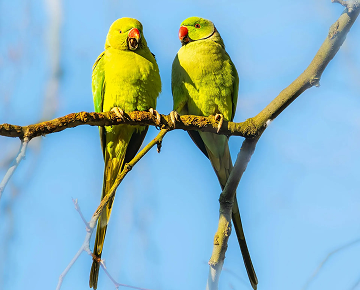
BIRD WATCHING
There are great photo ops on every one of my guided tours, but this tour is especially designed for photographers who love taking photos as much as they love experiencing nature. We’ll go to a variety of locations which offer excellent photo opportunities of local flora, fauna and wildlife. Bring your own food, water, and photo equipment.
WHO
Ages 12 and up
Up to 12 participants
WHEN
All year
WHERE
TBD
COST
$200 per person
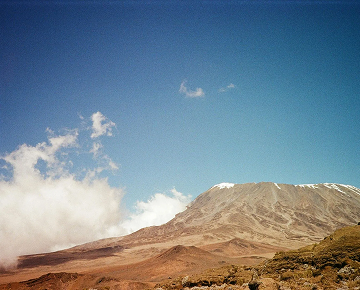
MOUNTAIN CLIMBS
Climb Above the Africa
Trek through alpine deserts, moorlands, and cloud forests and reach iconic summits like Kilimanjaro and Meru. Engage with local porters and mountain communities. Witness sunrise from above the clouds. Experience eco-tourism in sacred and biodiverse landscapes
WHO
Perfect for trekkers, adventure travelers, nature enthusiasts, fitness buffs, and anyone with a dream of summiting Africa’s rooftop (5895m) or exploring off-the-beaten-path highlands.
WHEN
Best Time
January to mid-March (warmer and clear skies)
June to October (cool and dry, most popular for trekking)
Avoid
Mid-March to May (long rains)
November (short rains can make trails slippery)
WHERE
Mount Kilimanjaro (5,895m): Africa’s highest peak, accessible via several scenic routes (Marangu, Machame, Lemosho, Rongai)
Mount Meru (4,566m): A 3–4 day trek, ideal as a warm-up for Kilimanjaro, with views of the crater and wildlife along the trail
Uluguru Mountains: Near Morogoro — lush, culturally rich, and great for light treks, birdwatching, and community immersion
COST
Starting at $2000 per person (Kilimanjaro)
Starting at $1500 (Uluguru)
Starting at $1800 (Meru)
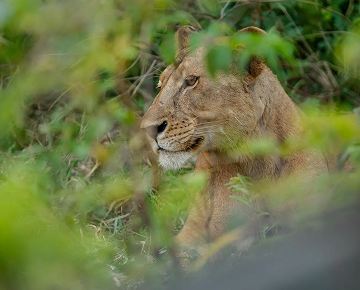
WILDERNESS SAFARIS
Step Into the Heart of the Wild - Raw, real, and roaring with life — your safari begins here.
Embark on an unforgettable journey through Tanzania’s legendary national parks — Serengeti, Ngorongoro, Ruaha, Selous, and beyond. Witness the Great Migration, lock eyes with a lion, and feel the earth pulse beneath your feet.
Witness the Great Wildebeest Migration in Serengeti
Game drives to spot the Big Five
Walking, boat, and night safaris
Cultural visits to Maasai and Hadzabe communities
Luxury or budget-friendly stays in lodges and camps
WHO
Ages 6 and up
Up to 10 participants
WHEN
June to October (Dry season — best for wildlife viewing)
Great Migration:
June–July: Grumeti River crossings
August–October: Mara River crossings
January–March (calving season in southern Serengeti, fewer crowds)
April to May (heavy rains can limit accessibility in some parks)
WHERE
Serengeti: The ultimate safari experience with dramatic seasonal migrations
Ngorongoro Crater: A natural wonder teeming with wildlife
Ruaha: Remote, wild, and home to large predator populations
Selous (Nyerere NP): Great for boat safaris and fewer crowds
Tarangire & Lake Manyara: Ideal for elephants, birds, and varied landscapes
COST
$3000/person
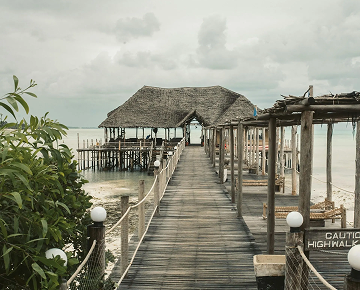
BEACH HOLIDAYS
Sail, sunbathe, and savor paradise — Tanzania’s beaches await
Unwind on Tanzania’s pristine coastline — from the spice-scented breeze of Zanzibar to the untouched sands of Mafia Island.
Dive into crystal-clear waters, bask under the tropical sun, and let the Indian Ocean soothe your soul. Relax on palm-fringed beaches,
Snorkel and scuba dive in coral-rich waters,
Take spice tours and dhow cruises,
Explore Swahili culture and historic coastal towns
Enjoy seafood, local music, and vibrant coastal nightlife
WHO
Ages 3 and up
Up to 10 participants
WHEN
June to October (Dry season, less humidity, perfect for beach and water activities)
Other Good Months: December to February (Warmer and still great for marine activities)
Avoid: Mid-March to May (Long rains may disrupt travel and marine visibility)
WHERE
Zanzibar: For history, culture, and iconic beaches like Nungwi, Kendwa, and Paje, Visit Prison Island, Sand banks, Forodhani, Slave Market
Mafia Island: For quiet getaways and world-class diving with whale sharks
Pangani & Tanga Coast: Hidden gems with colonial history and eco-lodges
Bagamoyo: A cultural stopover with quiet beaches and historical intrigue
COST
Starting from $200 per person/night
A Beach Holiday in Tanga, Dar es Salaam, Bagamoyo, and Kigamboni offers relaxation, ocean activities, cultural experiences, and sightseeing along Tanzania’s beautiful Indian Ocean coastline.
What a Beach Holiday Package Typically Includes
1. Accommodation
• Beach resorts, hotels, lodges, or boutique hotels
• Standard, deluxe, or luxury room options
• Daily housekeeping
• Swimming pool access (where available)
2. Meals
Depending on the package:
• Bed & Breakfast (BB)
• Half Board (Breakfast & Dinner)
• Full Board (Breakfast, Lunch & Dinner)
• All Inclusive (Meals, soft drinks, and sometimes selected alcoholic beverages)
3. Airport Transfers
• Meet and greet service
• Transfers between airport, hotel, and activities
4. Beach Activities
• Swimming
• Sunbathing
• Beach walks
• Beach games (volleyball, football, etc.)
• Photography
5. Water Activities (Optional or Included)
• Snorkeling
• Scuba diving
• Boat cruises
• Deep-sea fishing
• Jet skiing
• Kayaking
• Paddle boarding
• Dolphin watching (certain locations)
Special Attractions by Destination
Tanga
• Amboni Caves
• Tongoni Ruins
• Pangani Beaches
• Maziwe Island Marine Reserve
• Historical German and Arab sites
Dar es Salaam
• Coco Beach
• Mbudya Island
• Bongoyo Island
• Kunduchi Beach
• National Museum
• Village Museum
Bagamoyo
• Historic Bagamoyo Town
• Old Fort
• Caravan Serai
• Kaole Ruins
• Catholic Mission Museum
• Traditional arts and cultural performances
Kigamboni
• South Beach
• Kipepeo Beach
• Gezaulole Beach
• Beach resorts and seafood restaurants
• Boat excursions
Cultural Experiences
• Local village visits
• Traditional dances
• Swahili cuisine tasting
• Art and handicraft markets
• Historical tours
Transportation
• Private tourist vehicle
• Professional driver/guide
• Fuel and road expenses
• Ferry crossing to Kigamboni (if applicable)
What Is Usually Excluded
• International flights
• Visa fees
• Travel insurance
• Personal expenses
• Premium alcoholic beverages
• Optional excursions not listed in the itinerary - ( can be arranged on request )
Sample 7-Day Coastline Holiday
Day 1–2: Dar es Salaam & Islands
Day 3–4: Bagamoyo Historical & Beach Stay
Day 5–6: Tanga/Pangani Beach Experience
Day 7: Kigamboni Relaxation & Departure
For Kilimanjaro–Serengeti Tours, we market this as:
“Tanzania Coastal Paradise: Dar es Salaam – Bagamoyo – Tanga – Kigamboni Beach Holiday”
Highlights:
• White sandy beaches
• Indian Ocean sunsets
• Historical and cultural heritage
• Fresh seafood
• Island excursions
• Water sports
• Relaxation and wellness
• Authentic Swahili coastal experience
This package works very well as either a standalone beach holiday or as an extension after a Serengeti safari or Mount Kilimanjaro climb.

MOUNTAIN BIKING
Coming soon
CULTURAL TOURISM
TBD
WHAT IS CULTURAL TOURS
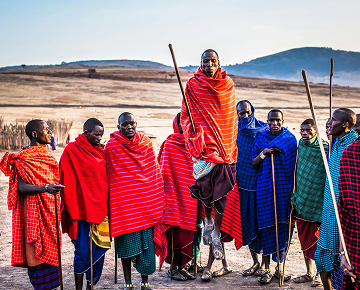
Cultural Tours are travel experiences that allow visitors to learn about and experience the way local people live, their traditions, history, customs, arts, food, music, dances, language, and daily activities.
Instead of only viewing wildlife or scenery, cultural tours help visitors connect with the people and culture of a destination.
Examples of Cultural Tours in Tanzania
• Visiting Maasai villages and learning about their traditions.
• Meeting Hadzabe hunters and learning their traditional lifestyle.
• Visiting local markets in Arusha, Mto wa Mbu, or Bagamoyo.
• Learning traditional cooking and tasting local foods.
• Participating in traditional dances and music.
• Visiting historical sites such as Bagamoyo, Olduvai Gorge, or Kilwa.
• Learning traditional crafts such as basket weaving, pottery, and carving.
• Visiting farms to learn about coffee, bananas, spices, or rice cultivation.
• Visiting Singida ancient sites with Mkalama old Boma, Kirumi unique stones, local projects, mount Nyasamaja and traditional dance.
BENEFITS OF CULTURAL TOURS
1. Preserve Local Culture
Tourism helps communities maintain and pass down their traditions, language, and cultural heritage to future generations.
2. Create Employment
Local guides, dancers, artisans, drivers, cooks, and accommodation providers earn income from visitors.
3. Support Community Development
Many cultural-tourism projects use part of their earnings to support:
• Schools
• Health centers
• Water projects
• Women’s groups
• Youth programs
4. Promote Cultural Understanding
Visitors learn to appreciate different ways of life, reducing prejudice and building friendships across cultures.
5. Provide Authentic Experiences
Many tourists today want more than wildlife safaris; they want meaningful interactions with local people and communities.
6. Increase Income for Rural Communities
Cultural tourism can bring money directly to villages that may not benefit much from other forms of tourism.
7. Encourage Environmental Conservation
Communities often become more motivated to protect natural resources when tourism creates economic benefits.
For Kilimanjaro–Serengeti Tours
Cultural tours is an excellent addition to our safari packages.
For example:
“7-Day Serengeti Safari + Maasai Cultural Experience + Mto wa Mbu Village Tour + Local Food Experience”
This makes the tour more unique and attractive, especially for visitors from the USA, Europe, and China who want authentic experiences and interaction with local communities.
Simple Definition for Marketing Materials
Cultural Tourism is travel that allows visitors to experience the traditions, heritage, lifestyle, arts, food, and daily life of local communities while supporting their economic and social development.
For our company, Kilimanjaro–Serengeti Tours, cultural tours is a strong valuable point because they combine wildlife, history, people, and authentic Tanzanian experiences in one memorable journey.
Tours Across Kilimanjaro, Serengeti & Zanzibar
Travel means different things to different people. For some, it is about standing on a mountain summit. For others, about wildlife, culture, and history. Tanzania, Africa’s eastern gem, offers all of that in one remarkable destination.
Anyone can organise journeys. At Kilimanjaro-Serengeti Tours & Travel, we do something beyond. We help you create memories that you will take with yourself forever. Mountain adventures, wildlife safaris, or coastal escapades, whatever gets your boar sailing.
Explore Tanzania Your Way
You have your own goals as a traveler, and we understand that perfectly. So, we provide flexibility for you to make your own itinerary.
Some guests choose
Mt. Kilimanjaro tour packages focused on reaching Africa's highest peak. For culture aficionados,
cultural tours in Tanzania
provide opportunities to live and breathe with Tanzania’s local communities, and take a brief part in their traditions.
Popular travel experiences include:
● Cultural tours in villages and surrounding communities
● Wildlife safaris through Tanzania's renowned parks
● Beach Tours in Zanzibar along the serene Indian Ocean coastline
● Scenic excursions and day trips
● Guided mountain adventures
●
Multi-destination travel experiences
We have carefully curated every itinerary around the creation of authentic creating authentic experiences rather than rushing from one stop to the next.
Group Travel and Custom Adventures
Traveling with others often creates memories that last a lifetime. Our
Kilimanjaro group tours
bring together travelers who have a common goal in mind. Not to mention, our experienced guides will make the journey easy to navigate as well.
If you are looking to make your own bed, custom travel tours offer the flexibility to design an itinerary around your specific interests and travel preferences.
We also organize
small groups travel tours
for those of you who appreciate a more personal experience without giving up the camaraderie that comes with group exploration.
Needless to say, you and your group, be it family, friends, or both, will be provided for from beginning to end by our
group tours travel options.
Discover More Than a Destination
The best trips are rarely defined by one place. They are forged by the people you meet, the landscapes you traverse, and the stories you carry home.
With well-planned Kilimanjaro Serengeti travel packages, the mountain, the wildlife, the culture and the coastline can be experienced as part of one unforgettable journey. There is so much to see in Tanzania and with the right tour you will see it all.